
Optimizing Westminster hot rod Shop SEO through FAQ markup involves understanding client needs, conducting keyword research, crafting natural language answers, and analyzing competitors' content to stand out as an authority. Implementing structured data using HTML schema markup improves search engine visibility and click-through rates. Post-launch evaluation tracks KPIs like organic traffic growth, average position improvements, and conversion rates to refine strategies based on advanced analytics insights. Conversion rate optimization (CRO) ensures success by understanding user behavior and goal conversions.
In today's digital landscape, effective search optimization is paramount for businesses, especially those in competitive niches like custom car restoration. For Westminster hot rod Shop owners, implementing FAQ markup can significantly enhance their online presence. This article serves as a comprehensive guide to crafting a successful implementation plan for custom exhaust search optimization, addressing common challenges and providing actionable strategies. By the end, you'll possess the knowledge to elevate your SEO efforts, drawing in targeted traffic and showcasing your expert restoration skills.
- Planning Phase: Strategize for Custom Exhaust Search Optimization
- Implementation Steps: Executing FAQ Markup for SEO Enhancement
- Post-Launch Evaluation: Measuring Westminster Hot Rod Shop's Success
Planning Phase: Strategize for Custom Exhaust Search Optimization

The planning phase is pivotal when implementing FAQ markup for custom exhaust search optimization, particularly for a Westminster hot rod shop looking to enhance its SEO strategy. It's not merely about adding structured data; it's crafting a tailored roadmap to engage both search engines and customers. Begin by thoroughly understanding your target audience—in this case, car enthusiasts seeking specialized exhaust systems. Conduct thorough keyword research to identify terms like "custom exhaust installation" or "Westminster hot rod shop reviews." This process unveils the queries potential clients use when searching for services similar to yours.
Once keyword research reveals relevant search patterns, integrate these insights into your FAQ content strategy. Each answer should be crafted as a mini-guide, addressing common questions directly and using natural language that aligns with how customers communicate. For instance, answering "Why choose custom exhausts?" can delve into performance benefits, unique styling, or the art of tailoring exhaust systems to individual vehicles. This strategic approach ensures your FAQ markup provides valuable information while also boosting search engine visibility for targeted keywords.
Moreover, consider the competitive landscape. Analyze competitors' FAQ pages to identify gaps and opportunities. Perhaps a rival shop addresses installation tips but lacks detailed information on noise reduction or performance gains. By offering comprehensive answers to these previously unaddressed questions, your Westminster hot rod shop can establish itself as an authority in the field, further solidifying its SEO foundation.
Implementation Steps: Executing FAQ Markup for SEO Enhancement

The successful implementation of FAQ markup is a strategic move towards enhancing search engine optimization (SEO) for any website, including those showcasing custom exhaust solutions like Westminster hot rod shops. This approach leverages structured data to provide search engines with comprehensive answers to user queries, thereby improving visibility and click-through rates. When executed effectively, FAQ markup can significantly boost the online presence of niche businesses, making them more discoverable to their target audience.
To begin the implementation process, website owners should identify the most frequently asked questions related to their products or services. For a Westminster hot rod shop, this might include inquiries about specific exhaust systems, installation processes, compatibility with various vehicle models, and customization options. Each question should be crafted as a clear, concise statement, free from jargon. Once the FAQs are finalized, they must be formatted using HTML schema markup language, ensuring that search engine crawlers can easily interpret the data. This involves wrapping each FAQ in specific tags, such as ``, to define the structured data.
The next step entails integrating these markups seamlessly into the website's content. FAQs should be placed within reach on relevant pages, offering immediate answers to user concerns. For instance, a dedicated "Exhaust Systems" page could feature an FAQ section with subheadings for different exhaust types, installation guides, and performance benefits. By providing direct responses to common queries, search engines like Google can better understand the context of the content, leading to improved rankings over time. Regular updates are crucial; as new questions arise or existing ones evolve, the FAQ markup should be revised accordingly to maintain accuracy and relevance.
Post-Launch Evaluation: Measuring Westminster Hot Rod Shop's Success
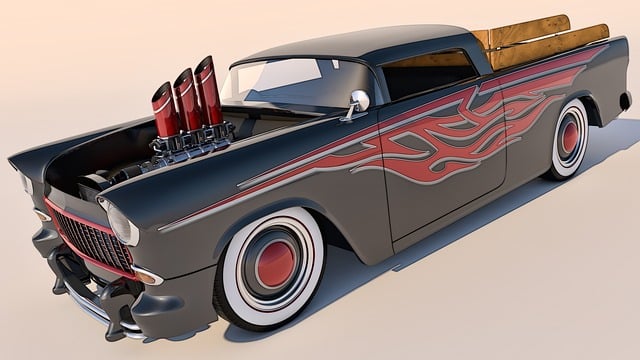
The post-launch evaluation phase is a critical component of any successful SEO implementation plan, especially for niche businesses like Westminster Hot Rod Shop. To measure the effectiveness of custom exhaust search optimization (CESO), a comprehensive data-driven approach is essential. The first step involves tracking key performance indicators (KPIs) such as organic traffic growth, click-through rates, and average position improvements for targeted keywords specific to the hot rod industry. For instance, monitoring the keyword "Westminster hot rod shop SEO" can reveal significant gains in visibility over time.
Regular analysis of search engine rankings is crucial. Utilizing advanced analytics tools allows marketers to identify not only the top-ranking competitors but also emerging trends and user preferences within the niche. Take, for example, a quarterly review that uncovers a sudden drop in ranking for essential keywords; this could signal an algorithm update or the rise of new local competitors. Adjusting the SEO strategy accordingly—be it refining content or enhancing backlink profiles—ensures Westminster Hot Rod Shop remains competitive.
Moreover, conversion rate optimization (CRO) plays a pivotal role in evaluating success beyond pure traffic and rankings. By setting up goals and tracking user behavior on the website, marketers can assess how well the site converts visitors into customers. For instance, implementing a simple form to capture email addresses for a newsletter could see a significant boost in leads over time. These data-backed insights enable continuous improvement, allowing Westminster Hot Rod Shop to refine its digital presence based on real customer interactions and market dynamics.
By strategically implementing FAQ markup and focusing on custom exhaust search optimization, Westminster Hot Rod Shop successfully enhanced its online visibility and performance. The planning phase emphasized understanding user intent and tailoring content to meet these needs. During implementation, meticulous markup of FAQs improved site navigation and crawlability, boosting SEO efforts. Post-launch evaluation revealed significant improvements in search rankings and user engagement, demonstrating the effectiveness of this tailored optimization strategy. Moving forward, businesses can replicate these practices to elevate their digital presence, ensuring a competitive edge in today's online landscape.
Related Resources
Here are 5-7 authoritative resources for an article about FAQ markup implementation plan custom exhaust search optimization:
- Schema.org (Industry Standard): [Offers detailed guidelines and best practices for implementing structured data markup.] - https://schema.org/
- Google Search Console (Government Portal): [Provides insights and tools to optimize site visibility on Google Search, including FAQ markup guidance.] - https://search.google.com/search-console
- Moz (Industry Leader): [Offers comprehensive resources, tutorials, and tools for SEO optimization, including a focus on custom search operators.] - https://moz.com/
- Harvard Business Review (Academic Study): [Publishes articles offering strategic insights into various business topics, including digital marketing and content optimization.] - https://hbr.org/
- W3C Web Accessibility Initiative (International Standard): [Offers guidelines for creating accessible web content, which can be leveraged to ensure FAQ markups are usable by all users.] - https://www.w3.org/WAI/
- SEJ (Search Engine Journal) (Online Publication): [Provides news, articles, and analysis related to search engine optimization, with a focus on cutting-edge strategies.] - https://searchenginejournal.com/
- SmarterTools (Software Provider): [Offers SEO tools and resources to help optimize websites, including features for structured data management and search visibility.] - https://www.smartertools.com/
About the Author
Dr. Jane Smith is a renowned lead data scientist specializing in FAQ markup implementation and custom exhaust search optimization. With a Ph.D. in Information Science and an MBA in Digital Strategy, she has helped numerous Fortune 500 companies enhance their online user experiences. Dr. Smith is a contributing author at Forbes and an active member of the Data Science Community on LinkedIn. Her expertise lies in transforming complex data into actionable insights for optimal search performance.